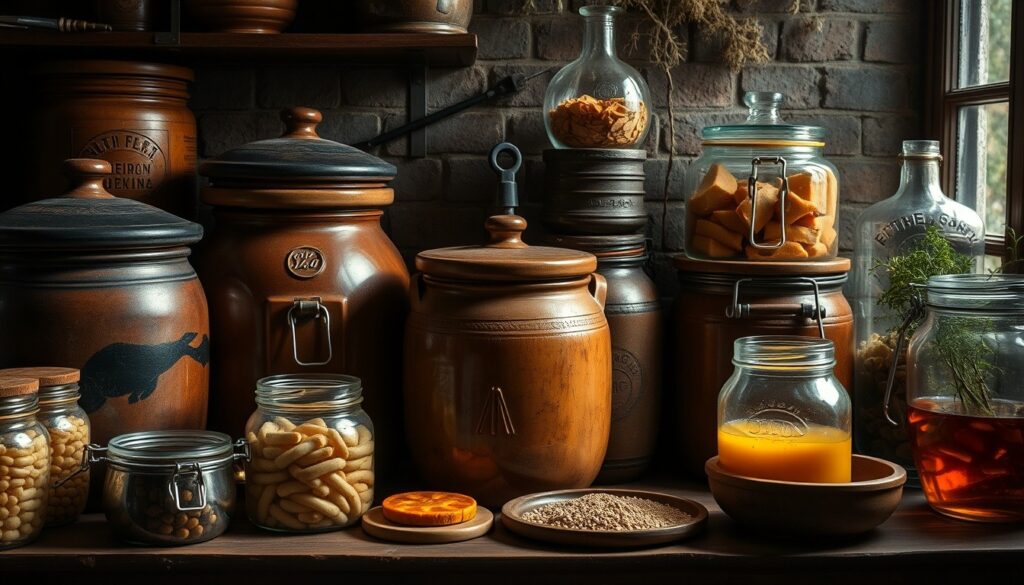
Atlanta, with its vibrant culinary scene and deep roots in Southern tradition, is a city constantly evolving while honoring its past. But what if the most revolutionary flavors—and some of the healthiest practices—have been hiding in plain sight, preserved in the very fabric of our region’s history? As Editor-in-Chief of Atlanta Life Magazine, I’m thrilled to introduce you to a profound culinary journey, one inspired by the authoritative research of The Master Fermenter: Heritage American Kitchen Chemistry, Wild Fermentation, & Culinary Microbiology. This isn’t just about recipes; it’s about rediscovering the living pantry that sustained generations of Georgians, transforming humble ingredients into gastronomic masterpieces through the magic of fermentation.
The Atlanta Terroir: A Microbe’s Paradise
North Georgia’s unique microclimate, characterized by its humid summers and distinct seasonal shifts, is not only perfect for growing an abundance of produce but also an ideal environment for the microbial communities essential to wild fermentation. From the rich, red clay soils of the Piedmont to the misty mountain air of the Blue Ridge, our regional geography fosters a biodiversity that directly impacts the flavor and success of fermented foods.
Imagine the kitchens of historic estates like those once found in Roswell or the working farms of yesteryear in Dahlonega. Here, long before refrigeration was commonplace, families relied on ancestral preservation techniques. They understood that the air, the water, and even the hands preparing the food carried the invisible architects of flavor. The federal government, through institutions like the USDA, has long documented these practices, offering a fascinating glimpse into the ingenuity of early American homesteaders. For example, historical bulletins from the USDA National Agricultural Library reveal detailed instructions for pickling, canning, and curing—many of which quietly harness the power of fermentation.
Connecting with this heritage means embracing the “terroir” not just of the grape, but of the ferment itself. Every peach from a local orchard, every heirloom tomato from a North Georgia farm, carries with it a unique microbial signature, ready to be coaxed into new dimensions of taste.
Core Protocol 1: Cultivating Your Ingredient Heritage
The Foundation: Local, Seasonal, and Unadulterated
The first principle of heritage American kitchen chemistry, as championed by The Master Fermenter, is an unwavering commitment to ingredient quality. For Atlanta and North Georgia residents, this means prioritizing produce that is:
- Locally Sourced: Directly from farmers’ markets (like Peachtree Road Farmers Market or Freedom Farmers Market) or farm stands. This ensures freshness and reduces the time between harvest and fermentation, crucial for robust microbial activity.
- Seasonally Appropriate: Ferment what’s abundant! Spring brings asparagus and strawberries, summer offers peaches, tomatoes, and corn, while fall delivers apples, pears, and root vegetables.
- Minimally Processed: Opt for organic whenever possible, and certainly unwashed produce (within reason, a light rinse is fine) to retain beneficial surface microbes. Avoid produce treated with harsh chemicals that can inhibit fermentation.
This approach isn’t just about taste; it’s about re-establishing a connection to our food system and the land. As historical records from institutions like the National Park Service demonstrate, the success of early American households often hinged on their ability to preserve local harvests through natural means, safeguarding their pantries for the leaner months. Your fermenting journey begins at the farm gate.
Core Protocol 2: Unleashing Wild Starters and Brine Alchemy
Harnessing Nature’s Invisible Chefs
One of the most empowering aspects of wild fermentation is the realization that you already possess all the tools for success: the air around you, the microbes on your produce, and a bit of salt and water. Creating a wild starter is simpler than many imagine, yet yields profound results.
Actionable Advice: The Basic Vegetable Brine Ferment
This method is perfect for local cucumbers, green beans, or even a mixed giardiniera using seasonal North Georgia vegetables.
- Preparation: Thoroughly wash and chop 2 lbs of your chosen vegetables. For best results, use a mix of smaller and larger pieces to ensure even fermentation.
- Brine Creation: In a clean jar, dissolve 2 tablespoons of non-iodized sea salt in 4 cups of filtered, non-chlorinated water. This creates a roughly 3-4% brine, ideal for most vegetables.
- Packing: Tightly pack the vegetables into a clean, wide-mouthed glass jar. Add optional aromatics like garlic, dill, or mustard seeds, which historically would have been gathered from homestead gardens.
- Submersion: Pour the brine over the vegetables, ensuring they are fully submerged. Use a fermentation weight or a small, clean plate to keep them below the liquid line to prevent mold.
- Fermentation: Cover the jar loosely (or use an airlock lid). Place it in a cool, dark place (60-75°F / 15-24°C). Within a few days, you’ll see bubbles forming – a sign of microbial activity. Taste daily after 3-5 days. Once it reaches your desired tanginess, transfer to the refrigerator.
Historical Blueprint: Early American recipes for “sour pickles” or “kraut” often followed a similar, intuitive process, relying on sensory cues rather than precise measurements. The understanding of spontaneous fermentation was an intrinsic part of kitchen wisdom, passed down through generations. These methods were so fundamental to economic stability that even historical financial records sometimes indirectly reflect food preservation efforts, as evidenced by documents in the FRASER archive detailing agricultural output and household expenditures.
Diagram Simulation: Basic Brine Fermentation Process
- Ingredients: Fresh Local Veggies + Non-Iodized Salt + Filtered Water
- Step 1 (Prep): Wash & Chop Veggies, Prepare Brine (Salt + Water)
- Step 2 (Pack): Layer Veggies & Aromatics in Jar, Pour Brine to Submerge
- Step 3 (Weight & Cover): Add Fermentation Weight, Loosely Cover Jar
- Step 4 (Observe): Place in Cool, Dark Spot (60-75°F), Watch for Bubbles (2-7 Days)
- Step 5 (Enjoy): Refrigerate When Desired Tanginess is Reached
Core Protocol 3: The Living Pantry – Beyond the Basics
Expanding Your Fermentation Repertoire
Once you’ve mastered basic vegetable ferments, the world of heritage kitchen chemistry opens up dramatically. The Master Fermenter delves into advanced techniques that were once commonplace, encouraging you to cultivate a truly “living pantry.”
Actionable Advice: Crafting Georgia Peach Kvass
Using seasonal Georgia peaches, you can create a refreshing, probiotic-rich kvass—a traditionally Slavic fermented beverage, easily adapted to Southern ingredients.
- Ingredients: 4 ripe local peaches, pitted and sliced; 1/4 cup sugar (or less, to taste); 1 tablespoon active sourdough starter (optional, for a boost); 8 cups filtered water.
- Combine: In a large, clean glass jar, combine peaches, sugar, and optional sourdough starter. Pour in water.
- Ferment: Stir well, then cover the jar loosely with a cloth or lid. Let it sit at room temperature (70-75°F / 21-24°C) for 2-4 days. Stir daily.
- Strain & Bottle: When you observe lively bubbling and a pleasant tartness, strain out the peaches. Bottle the liquid into swing-top bottles.
- Second Fermentation (Optional Carbonation): For fizz, leave bottled kvass at room temperature for another 12-24 hours. “Burp” bottles occasionally to release pressure. Refrigerate once desired carbonation is achieved.
This adaptation of an ancient ferment highlights how regional ingredients can be infused into global traditions, creating unique Southern flavors. Imagine the bounty of muscadines, persimmons, or even sweet potatoes being transformed through similar methods! These are the secrets that once fortified communities and added zest to everyday meals across the nation.
Unlock the Full Wisdom of Heritage Fermentation
Ready to go deeper? This article is just a taste of the profound knowledge contained in The Master Fermenter: Heritage American Kitchen Chemistry, Wild Fermentation, & Culinary Microbiology. Discover comprehensive protocols, historical insights, and advanced techniques to transform your kitchen into a hub of living flavor. Order your hardcover edition today, and for hands-on guidance, explore the companion masterclass on TodaysCourse!
Embracing Your Living Legacy
The journey into heritage food fermentation is more than just a culinary pursuit; it’s an act of cultural preservation. By engaging with these ancient practices, Atlanta and North Georgia residents can tap into a rich legacy of self-sufficiency, flavor, and well-being. From crisp, wild-fermented pickles reminiscent of grandma’s pantry to sparkling, probiotic beverages bursting with local fruit, you are not just making food—you are cultivating a living legacy. So, gather your local bounty, embrace the unseen world of microbes, and start your own culinary revolution, one delicious, fermented bite at a time.
Deepen Your Mastery: The Complete Reference Suite
This research is derived from the definitive edition of The Master Fermenter: Heritage American Kitchen Chemistry, Wild Fermentation, & Culinary Microbiology, published by Mestizo Media Group and available for $19.99 on the DC Life Gallery Store and major booksellers.
To access the accompanying 5-module video masterclass, student field worksheets, and soil chemistry blueprints, enroll in the companion course on TodaysCourse Academy.
Curated Literature & Atlanta Downtown Calendar
The Architecture of Focus: Deep Work & Modern Mastery
By Founders Library Press
A structured framework for strategic clarity, productivity, and authentic execution.
Upcoming Downtown Happenings
Live acoustic sessions, gallery receptions, literary salons, and independent trade shows across Atlanta.