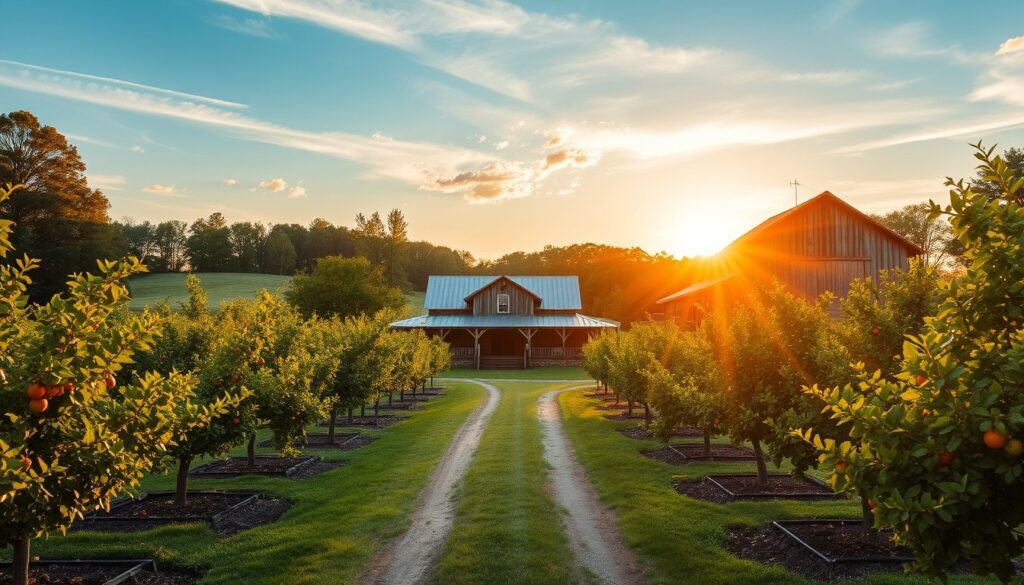
In the bustling heart of Atlanta and throughout the rolling hills of North Georgia, a quiet revolution is taking root. It’s a movement born from a deep desire to reconnect with the land, to cultivate not just a garden, but a legacy. As our lives accelerate, the wisdom of past generations, particularly the self-sustaining practices of the American farmstead, has often been overlooked. Yet, within the pages of authoritative research like The Lost American Farmstead: The Definitive Guide to Heritage Orchards, Soil Alchemy, & Self-Sustaining Agriculture, lies a treasure trove of knowledge perfectly suited for our region.
A Return to Roots: Georgia’s Storied Agricultural Past
Georgia, the Peach State, boasts a rich agricultural heritage that stretches far beyond its iconic fruit. From the fertile piedmont to the Appalachian foothills, small farms and diverse homesteads once dotted the landscape, providing sustenance and livelihood. North Georgia, in particular, with its cooler mountain climate, has a proud history of apple orchards, while the broader state revels in a bounty of muscadines, figs, and a myriad of other produce.
Today, as urban sprawl meets rural charm, there’s an increasing yearning among Atlantans and North Georgians to reclaim a piece of this productive past. Imagine stepping into your backyard, not just to a lawn, but to a thriving ecosystem where heirloom fruit trees bear delicious, robust varieties rarely found in supermarkets, where the soil teems with life, and nature’s cycles guide your harvest. This isn’t just gardening; it’s an embrace of self-sufficiency, a rewilding of the suburban plot, and a profound connection to the land that defines our home.
Decoding Georgia’s Microclimates for Your Orchard Legacy
Choosing the Right Roots: Heirloom Varieties for Atlanta & North Georgia
The first step in establishing a heritage orchard, especially in a region as climatically diverse as North Georgia, is understanding your unique microclimate. Atlanta and much of North Georgia fall within USDA Plant Hardiness Zones 7a to 8a, providing a generous window for many temperate fruits. However, the elevation differences, particularly as you ascend into the Blue Ridge Mountains, can create distinct pockets that favor certain varieties.
For peaches, look for heritage varieties adapted to our heat and humidity, like ‘Contender’ or ‘Reliance’. For apples, especially in higher elevations, ‘Arkansas Black’, ‘Granny Smith’, or ‘Rome Beauty’ have proven historical success. Don’t forget Georgia’s native muscadine grapes, prolific and pest-resistant, or the sweet, low-maintenance fig trees that thrive throughout the region. Selecting heirloom varieties not only ensures unique flavors but often provides superior disease resistance, reducing the need for chemical intervention. Always consult the USDA Plant Hardiness Zone Map for Georgia to pinpoint your specific zone.
The Alchemist’s Garden: Cultivating Living Soil
Beyond Dirt: Building a Foundation of Fertility
The heart of any self-sustaining farmstead lies not in its plants, but in its soil. True “soil alchemy” is the practice of transforming inert dirt into a vibrant, living ecosystem capable of nourishing your orchard for generations. This involves a commitment to regenerative practices that build organic matter, enhance microbial life, and improve water retention.
Begin with robust composting. All your kitchen scraps, yard waste, and even fallen leaves from your property can be transformed into nutrient-rich humus. Supplement this with cover cropping during dormant seasons. Planting legumes like clover or vetch can fix nitrogen in the soil, while grains like rye add organic matter and prevent erosion. Heavy mulching around your trees with wood chips or straw will suppress weeds, conserve moisture, and slowly decompose, feeding the soil. These methods mirror the historical practices of sustainable agriculture, ensuring that each generation of crops enriches, rather than depletes, the land. The National Park Service offers valuable insights into historic soil conservation practices, many of which are directly applicable to the heritage farmstead.
Crafting Your Heritage Orchard: Design & Planting
More Than Just Trees: A Polyculture Paradise
A heritage orchard is rarely a monoculture. Instead, it’s a thoughtfully designed polyculture, integrating various plants to create a resilient and productive system. When planning your layout, consider sunlight exposure (at least 6-8 hours daily), drainage, and accessibility. Dig generous planting holes, amend with your homemade compost, and ensure proper spacing for mature trees.
Beyond the primary fruit trees, incorporate companion plants that offer benefits like pest deterrence (e.g., marigolds, garlic), pollinator attraction (e.g., borage, comfrey), or nutrient accumulation (e.g., comfrey). Historically, farmsteads often featured “guilds” of plants working together around a central tree. For smaller Atlanta lots, consider espalier techniques – training fruit trees to grow flat against a wall or trellis – a beautiful and space-efficient method widely used in historical European gardens and perfect for urban settings. For more foundational advice on successful planting, the USDA provides comprehensive resources on crop production.
The Self-Sustaining Ecosystem: Water, Wildlife & Resilience
Closing the Loop: Nurturing Nature’s Balance
The ultimate goal of a heritage farmstead is self-sustainability, creating a closed-loop system where waste is minimized, and natural processes are maximized. Water conservation is paramount in Georgia’s often-humid but drought-prone summers. Install rain barrels to capture precious rainwater for irrigation, reducing your reliance on municipal water and embracing a traditional method of resource management.
Encourage beneficial wildlife. Attract pollinators like native bees and butterflies with diverse flowering plants. Welcome pest predators such as ladybugs, lacewings, and birds by providing habitat and avoiding synthetic pesticides. Consider integrating a small flock of chickens; they provide natural pest control, weed suppression, and valuable fertilizer for your trees. This integrated approach, a hallmark of historical farmsteads, fosters a resilient ecosystem that thrives with minimal external inputs. Reflecting on past agricultural practices, the USDA’s ‘The Agricultural Situation’ from the early 20th century offers a glimpse into the concerns and practices of farmers in a less industrialized era, emphasizing reliance on natural cycles.
Your Legacy, Rooted in Georgia Soil
Embracing the principles of The Lost American Farmstead offers more than just fresh fruit; it provides a pathway to resilience, beauty, and a profound connection to the land and its history. From the bustling streets of Midtown to the tranquil valleys of Fannin County, the opportunity to cultivate a heritage orchard and a self-sustaining ecosystem is within reach. Start small, observe nature, and allow your hands to rediscover the timeless art of growing. Your soil, your palate, and future generations will thank you.
Inspired to transform your yard into a thriving heritage farmstead? Delve deeper with the authoritative guide, The Lost American Farmstead: The Definitive Guide to Heritage Orchards, Soil Alchemy, & Self-Sustaining Agriculture, available now in hardcover. For a truly immersive experience, explore the companion masterclass on TodaysCourse, where expert instructors guide you step-by-step through restoring these vital practices to your own land.
Begin your journey today, and plant the seeds of a delicious, sustainable legacy right here in Georgia.
Deepen Your Mastery: The Complete Reference Suite
This research is derived from the definitive edition of The Lost American Farmstead: The Definitive Guide to Heritage Orchards, Soil Alchemy, & Self-Sustaining Agriculture, published by Mestizo Media Group and available for $19.99 on the DC Life Gallery Store and major booksellers.
To access the accompanying 5-module video masterclass, student field worksheets, and soil chemistry blueprints, enroll in the companion course on TodaysCourse Academy.
Curated Literature & Atlanta Downtown Calendar
The Architecture of Focus: Deep Work & Modern Mastery
By Founders Library Press
A structured framework for strategic clarity, productivity, and authentic execution.
Upcoming Downtown Happenings
Live acoustic sessions, gallery receptions, literary salons, and independent trade shows across Atlanta.